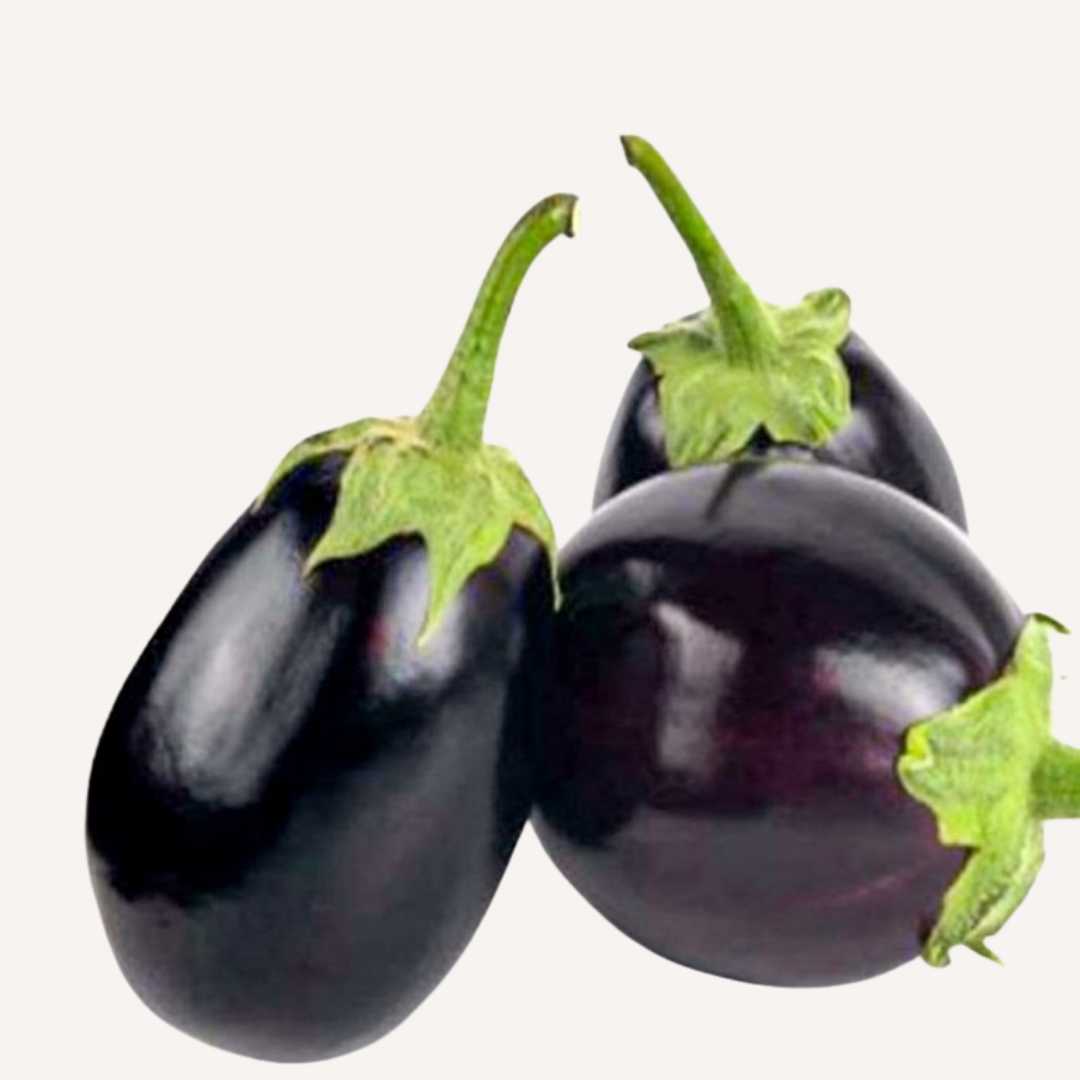
Eggplant (Aubergine)
Eggplant is an annual crop in warm climates and a perennial plant that can grow like a small tree in tropical regions.
Benefits of Eggplant:
It calms the nerves and lowers blood pressure. It reduces heart palpitations, softens the intestines, and acts as a diuretic. Eggplant lowers blood cholesterol levels and is beneficial for clogged arteries. It helps combat anemia, regulates the functions of the liver and pancreas, alleviates kidney pain and burning sensations, is effective against hemorrhoids, and aids in weight loss.
In our region, eggplant is widely consumed and holds a significant place in local cuisine. Besides its culinary value, it has long been used as a natural remedy in traditional medicine. Depending on ecological conditions, eggplant shows an average of 6.75% cross-pollination, with a variation ranging from 0.2% to 46.8%.
Harvest Season
Eggplants are harvested at various sizes depending on whether they are intended for early market sale or regular production. For early harvests, fruits are picked before reaching their full size. However, the ideal time for standard harvest is when the fruit reaches about one-third of its mature size.
If harvesting is delayed, the fruits become overripe, their color fades, and the seeds harden, reducing edibility. Harvest begins by picking the lower fruits and continues gradually upward. Mature fruits should be cut with their stems during warm periods. After harvest, they are sorted based on size, shape, and color, then placed carefully into packaging without being compressed.
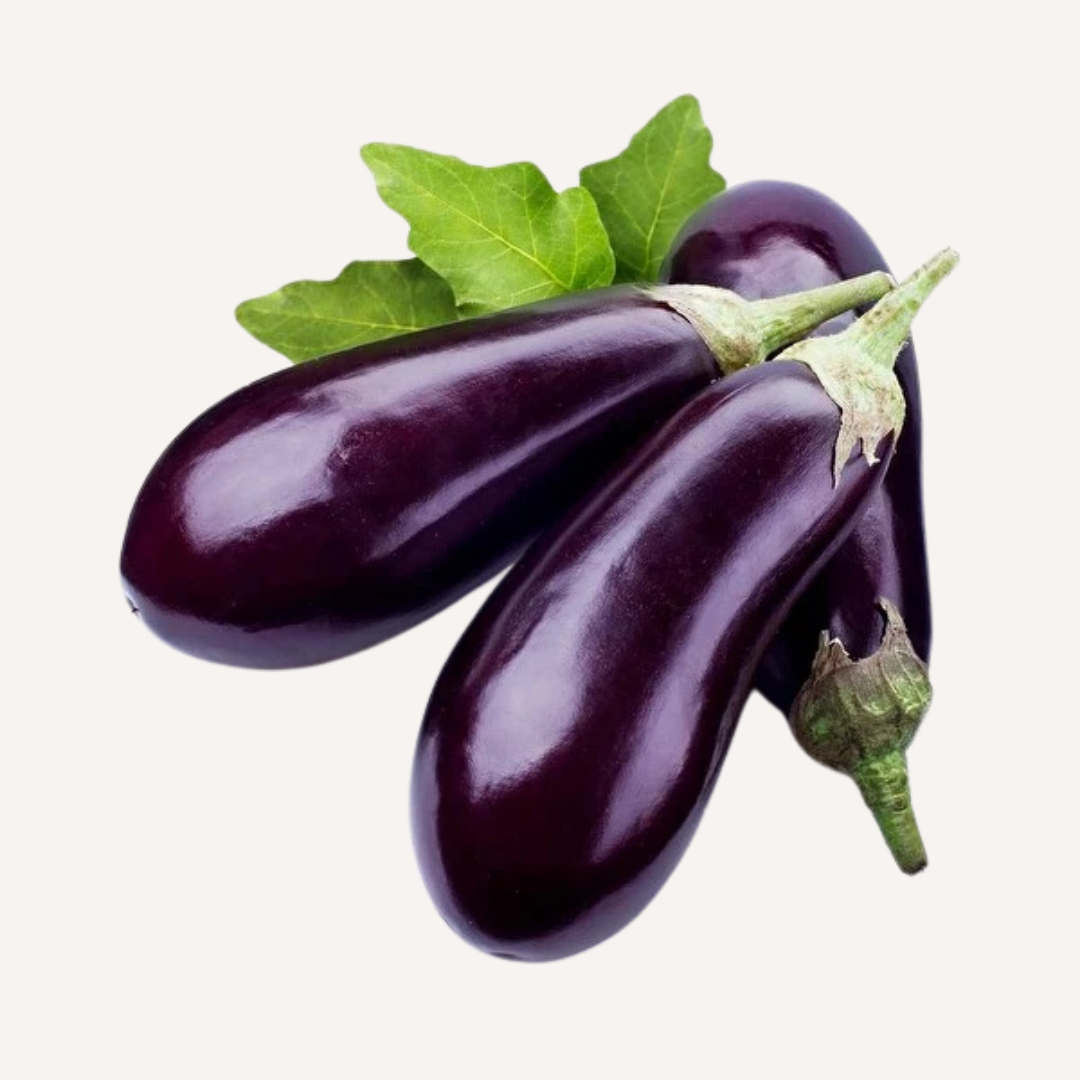
Eggplant